Fleet Management Technology: How It Improves Fleet Operations
Fleet management technology allows businesses to monitor vehicles, drivers, and cargo using connected systems that collect and analyze operational data. By combining GPS tracking, telematics, and cloud-based software, companies can gain real-time visibility into fleet operations and improve efficiency across transportation networks.
As digital transformation reshapes the transportation industry, fleet management technology helps businesses remain competitive by improving safety, optimizing routes, and reducing operating costs.
Key Takeaways
- Fleet management technology uses connected systems to monitor vehicles and drivers.
- Managers can track vehicle location, performance, and driver behavior in real time.
- Fleet monitoring systems improve efficiency, safety, and route planning.
- Technology platforms often integrate with business management systems.
- Fleet data allows companies to improve decision-making and operational planning.
What Is Fleet Management Technology?
Fleet management technology refers to digital systems used to monitor, control, and optimize transportation fleets.
These systems combine hardware and software tools to collect data from vehicles and transmit that information to a centralized platform. Managers can then view fleet activity through web dashboards or mobile applications.
Modern fleet management systems go far beyond simple vehicle location tracking. While earlier systems relied mainly on GPS units to track vehicles, modern platforms collect detailed operational data.
For example, businesses can monitor:
- Vehicle location and routes
- Fuel consumption
- Driver behavior
- Vehicle diagnostics
- Maintenance alerts
- Delivery activity
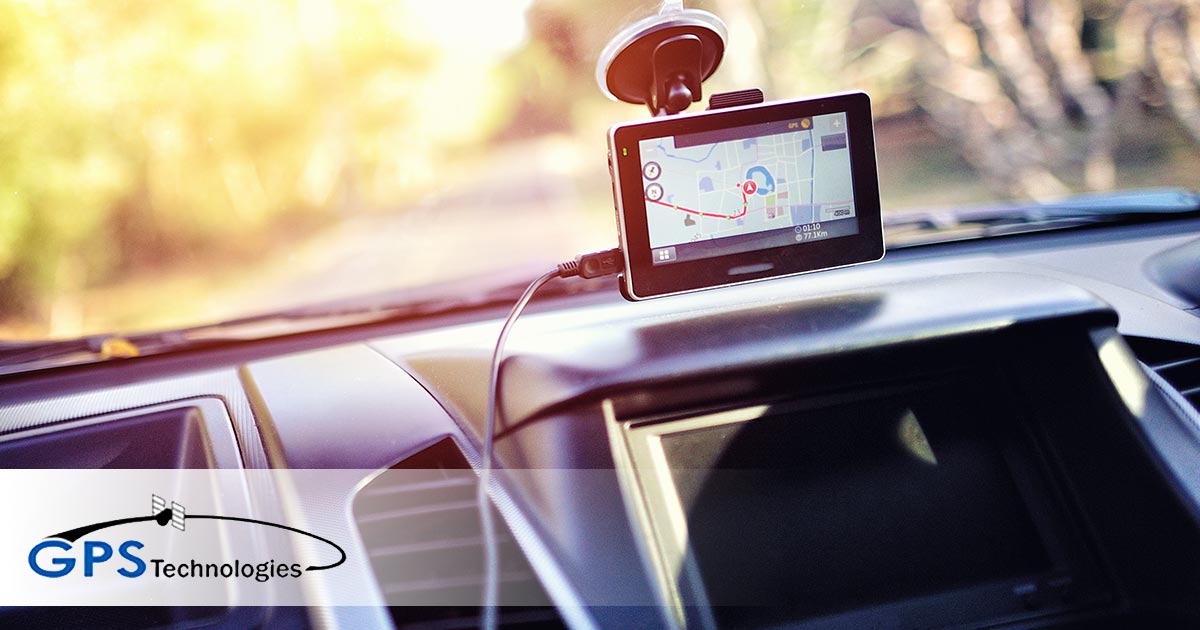
Many companies implement these capabilities through GPS fleet tracking systems that connect vehicles to centralized monitoring platforms.
These technologies allow fleet managers to access operational insights from any location.
Why Standardized Fleet Technology Matters
Many vehicle manufacturers now offer their own telematics solutions. However, companies operating multi-brand fleets often face challenges when using multiple monitoring platforms.
A standardized fleet management solution allows businesses to consolidate vehicle data into a single system.
This centralized approach allows fleet managers to monitor vehicles and equipment consistently across different manufacturers and vehicle types.
Standardized systems can also integrate with third-party business management software such as logistics, dispatch, and accounting platforms.
Core Functions of Fleet Management Technology
Vehicle Monitoring
Fleet monitoring systems allow managers to track vehicle locations in real time. If an accident or breakdown occurs, managers can quickly dispatch assistance.
This visibility helps reduce delays and improves response times during operational incidents.
Status Notifications
Fleet technology systems generate alerts when unusual events occur.
These alerts may include:
- Late arrivals
- Missed stops
- Unauthorized vehicle usage
- Excessive idle time
- Speeding incidents
By monitoring these events, managers can maintain better operational control.
Driver Communication
Fleet management platforms allow dispatchers to communicate with drivers directly through integrated messaging systems.
Managers can send route updates, delivery instructions, or schedule changes to drivers in real time.
Route Optimization
Fleet technology systems analyze travel patterns and traffic conditions to help managers identify efficient routes.
Improved route planning reduces fuel consumption and helps drivers avoid congestion.
Driver Behavior Monitoring
Fleet management technology also collects data about driver performance.
Systems can track behaviors such as:
- Speeding
- Hard braking
- Rapid acceleration
- Excessive idling
Managers can use this information to train drivers and improve safety.
Productivity Monitoring
Fleet systems collect data about driver work hours, travel time, and rest periods.
This information helps companies manage driver productivity and comply with transportation regulations.
Eight Benefits of Fleet Management Technology
1. Real-Time Vehicle Location
Fleet technology allows businesses to track the exact position of vehicles at any time. Managers can verify that drivers follow approved routes and meet delivery schedules.
2. Route and Stop Monitoring
Fleet monitoring systems track the number and duration of vehicle stops. This information helps companies identify delays and operational inefficiencies.
3. Instant Alerts
Tracking systems generate alerts for emergencies such as accidents, theft, or unauthorized vehicle movements. This allows companies to respond quickly to unexpected situations.
4. Improved Transportation Safety
Managers can detect when vehicles deviate from planned routes or display unsafe driving behavior. This helps improve driver accountability and safety.
5. Custom Reporting
Fleet management software generates detailed reports on routes, stops, driving behavior, and system alerts.
These reports help businesses analyze operational performance.
6. Complete Fleet Visibility
Fleet managers no longer need to rely on phone calls to track vehicle activity. Real-time monitoring provides instant visibility across the entire fleet.
7. Better Customer Service
With real-time fleet visibility, companies can provide accurate delivery updates to customers and respond quickly to delays.
8. Improved Resource Planning
Fleet data helps businesses plan vehicle usage, optimize scheduling, and allocate resources more effectively.
Why Data Analysis Matters in Fleet Management
Collecting fleet data alone is not enough to improve operations. Companies must also analyze this data to identify trends and make informed decisions.
Fleet managers can use operational insights to develop performance indicators and track improvements over time.
These key performance indicators (KPIs) help companies measure:
- Driver performance
- Fuel efficiency
- Vehicle utilization
- Maintenance efficiency
- Operational productivity
When businesses analyze these metrics regularly, they can continuously improve fleet performance.
FAQ
What is fleet management technology?
Fleet management technology includes digital tools used to monitor vehicles, drivers, and cargo through GPS tracking, telematics, and cloud-based software systems.
How does fleet management technology improve efficiency?
These systems provide real-time visibility into fleet operations, allowing managers to optimize routes, monitor driver behavior, and reduce operational costs.
Can fleet technology improve driver safety?
Yes. Monitoring systems identify risky driving behaviors and allow companies to train drivers to improve safety.
Do fleet management systems work with different vehicle brands?
Many modern fleet management platforms are designed to integrate with multiple vehicle brands and telematics systems.
What industries use fleet management technology?
Industries such as logistics, transportation, construction, utilities, and delivery services commonly rely on fleet management systems.
Bottom Line
Fleet management technology plays a critical role in modern transportation operations. By combining connected vehicles, GPS tracking, and data analytics, businesses can monitor their fleets in real time and improve operational performance.
Organizations that implement these systems gain better visibility into their operations, improve customer service, and reduce operational costs through smarter fleet management.
Categorised in: Fleet Tracking
This post was written by GPS Technologies Team
Comments are closed here.