
Are Dashcams Worth It for Commercial Vehicles? Here’s What the Data Says
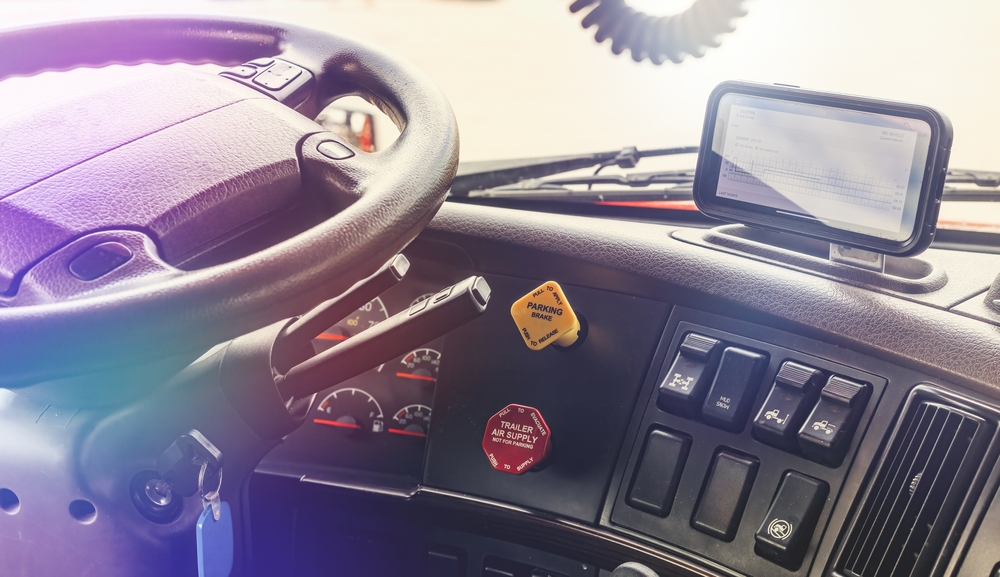
Dashcams have moved from being a nice-to-have gadget to a serious business tool for commercial fleets. In today’s environment of rising insurance costs, increased liability exposure, and tighter operational margins, fleet owners are under pressure to make smarter, data-driven decisions. The question many businesses ask is simple. Are dashcams actually worth the investment for commercial vehicles? The short answer is yes, and the data backs it up.
What Dashcams Really Do for Commercial Fleets
Dashcams are more than just cameras mounted on a windshield. Modern commercial dashcams capture high-definition video, record driving events, and often integrate with GPS and telematics platforms. This combination allows fleets to see what actually happens on the road rather than relying on secondhand accounts.
For commercial vehicles, dashcams typically provide the following capabilities:
- Continuous or event-based video recording
- Forward-facing and optional inward-facing views
- Automatic capture of harsh braking, rapid acceleration, collisions, and near misses
- GPS-tagged footage showing speed, location, and time
- Cloud-based storage and instant video access
When combined with GPS tracking and monitoring systems, dashcams turn raw footage into actionable insights that help businesses protect drivers, vehicles, and their bottom line.
The Data Behind Dashcams and Accident Reduction
One of the strongest arguments for dashcams comes from accident data. According to multiple insurance industry studies, fleets that deploy dashcams and telematics experience a measurable reduction in collisions. Some reports show accident reductions ranging from 20 to 40 percent within the first year of implementation.
Why does this happen? Data points to two main reasons.
First, driver behavior improves when drivers know they are being monitored fairly and objectively. Dashcams encourage safer habits such as reduced speeding, smoother braking, and better following distances.
Second, dashcams provide coaching opportunities. Instead of guessing why incidents happen, managers can review footage, identify risky behaviors, and provide targeted training.
Key data-driven benefits include:
- Fewer at-fault accidents
- Reduced accident severity when collisions do occur
- Improved compliance with safety policies
- Faster incident resolution
When fewer accidents happen, everything from insurance costs to vehicle downtime improves.
Insurance Claims and Liability Protection
Insurance claims are one of the largest and most unpredictable expenses for commercial fleets. Dashcams have proven to be powerful tools in protecting businesses from fraudulent claims and false accusations.
Industry data shows that a significant percentage of commercial vehicle claims involve disputed fault. Without video evidence, companies often settle claims simply to avoid legal costs. Dashcam footage changes that equation.
With clear video evidence, fleets can:
- Prove driver innocence in not-at-fault accidents
- Resolve claims faster with insurers
- Reduce legal fees and settlement payouts
- Deter fraudulent or exaggerated claims
In many cases, insurers offer premium discounts to fleets that use dashcams and GPS tracking systems. The reasoning is simple. Fleets with visibility and accountability are lower risk.
The Impact on Driver Performance and Accountability
A common concern among fleet owners is how drivers will react to dashcams. The data shows that when implemented transparently and paired with clear policies, dashcams actually improve driver engagement and performance.
Studies indicate that drivers in fleets with dashcams:
- Receive fewer traffic citations
- Show measurable improvement in driving scores
- Are more receptive to coaching backed by video evidence
Video removes subjectivity. Instead of arguing over what happened, both managers and drivers can review the same footage. This builds trust and creates a culture of accountability rather than punishment.
Dashcams also protect good drivers. When incidents occur, responsible drivers benefit from having objective proof that supports their actions.
Fuel Efficiency and Operational Cost Savings
While dashcams are often discussed in the context of safety, data shows they also contribute to operational savings. When fleets monitor driving behaviors such as speeding, idling, and harsh acceleration, fuel consumption decreases.
Aggressive driving habits increase fuel use and vehicle wear. Dashcam and GPS data help identify and correct these behaviors.
Fleets using integrated monitoring systems report:
- Reduced fuel costs due to smoother driving
- Lower maintenance expenses from less wear and tear
- Extended vehicle lifespan
These savings add up quickly, especially for larger fleets where small improvements per vehicle create substantial annual cost reductions.
Productivity and Dispatch Efficiency
Dashcams paired with GPS tracking create an open line of communication between drivers, dispatchers, and decision makers. This visibility improves productivity across the entire operation.
With real-time location data and event-triggered video, dispatchers can:
- Respond faster to incidents
- Provide accurate updates to customers
- Optimize routes based on real-world conditions
- Reduce unnecessary check-in calls from drivers
The result is smoother operations and better customer satisfaction. Data shows that fleets with integrated monitoring systems complete more jobs per day and experience fewer service delays.
Addressing Privacy and Compliance Concerns
Privacy is a legitimate concern when introducing dashcams, especially inward-facing cameras. The data shows that fleets that communicate clearly and use dashcams responsibly see far fewer issues.
Best practices include:
- Informing drivers exactly what is recorded and when
- Using event-based recording instead of constant monitoring when appropriate
- Limiting access to footage to authorized personnel
- Using video for safety and training, not micromanagement
When drivers understand that dashcams exist to protect them and the company, acceptance rates increase significantly.
Are Dashcams Worth the Cost?
Cost is often the deciding factor. Hardware, installation, and software subscriptions all represent an investment. However, when you look at the data, dashcams often pay for themselves quickly.
Consider the financial impact of:
- One avoided accident
- One fraudulent claim denied
- One insurance premium reduction
- One prevented lawsuit
For many fleets, the return on investment happens within months, not years. Dashcams are not just an expense. They are a risk management and efficiency tool.
Why Dashcams Work Best with GPS Tracking
Dashcams alone provide valuable video, but when combined with GPS tracking and monitoring systems, their power multiplies. GPS data adds context to video footage, including speed, location, route history, and driver behavior trends.
This integration allows businesses to:
- Analyze patterns instead of isolated incidents
- Score driver performance over time
- Make proactive decisions rather than reactive ones
- Gain a complete picture of fleet operations
Data-driven decisions outperform guesswork every time.
Making the Smart Choice for Your Fleet
The data is clear. Dashcams reduce accidents, lower insurance costs, improve driver behavior, and enhance overall fleet efficiency. For commercial vehicles operating in a high-risk and highly regulated environment, visibility is no longer optional.
Businesses that invest in dashcams and GPS monitoring gain a competitive advantage through safer operations, stronger accountability, and better communication.
Partner with GPS Technologies
If you are considering dashcams for your commercial fleet, choosing the right partner matters. GPS Technologies is your foremost authority for the very best in tracking and monitoring systems backed by sophisticated GPS precision. We help businesses understand what their fleets are saying and assist with battery, teen, and asset tracking. Our software solutions provide drivers, dispatchers, and decision makers with an open line of communication. We are proud to serve you. Contact us to learn how our dashcam and GPS solutions can help you protect your fleet, reduce costs, and make smarter decisions starting today.
Categorised in: dashcam
This post was written by admin