
How Can Fleet Tracking Systems Cut Operating Costs and Boost Productivity?
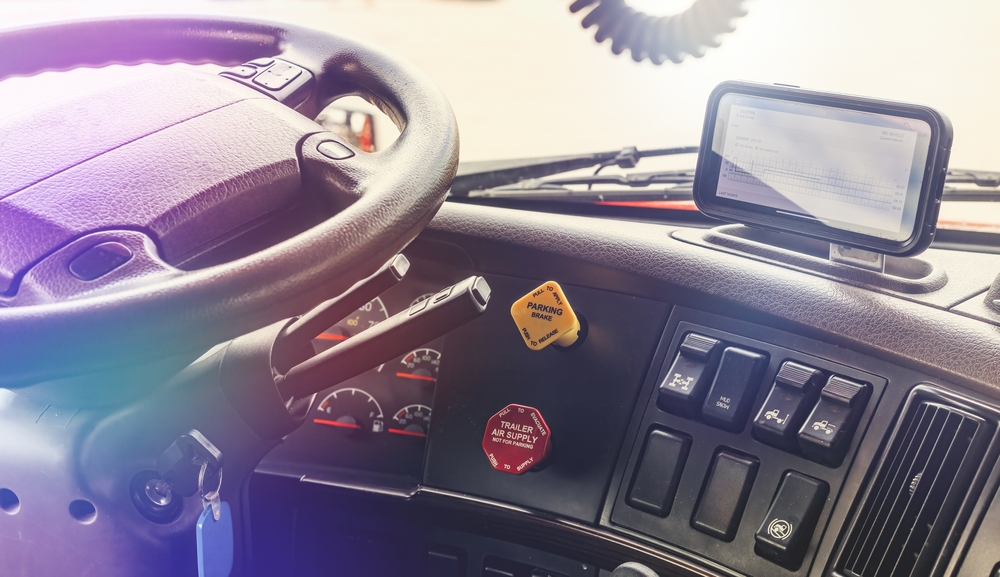
In today’s fast-paced business landscape, efficiency and visibility are everything. Companies that rely on vehicle fleets for their daily operations know just how challenging it can be to manage drivers, routes, fuel consumption, and maintenance schedules. That’s where fleet tracking comes in. Fleet tracking systems use advanced GPS technology to monitor vehicles in real time, giving business owners and managers a clearer view of their operations. With accurate data at their fingertips, companies can streamline performance, reduce unnecessary expenses, and enhance productivity across the board.
What Are Fleet Tracking Systems?
A fleet tracking system is a technology solution that uses GPS satellites, wireless communication, and software dashboards to collect and display real-time data about a company’s vehicles. Managers can see where each vehicle is, how fast it’s traveling, when it’s idling, and even if it’s following the optimal route.
Modern systems often include telematics, which track metrics like fuel efficiency, driver behavior, and vehicle health. These systems go beyond simply locating vehicles; they empower companies to understand how their fleet operates, identify inefficiencies, and make data-driven decisions that improve performance and profitability.
How Fleet Tracking Systems Reduce Fuel Costs
Fuel is one of the biggest expenses in fleet operations, and even small inefficiencies, like idling, detours, or speeding, can quickly lead to thousands in wasted fuel. Fleet tracking systems allow businesses to monitor and manage these factors in real time.
GPS-based data helps dispatchers ensure drivers take the most efficient routes, avoid congestion, and minimize idle time. Some systems even alert managers when a driver exceeds speed limits or deviates from their assigned route.
By encouraging better driving habits and optimizing routes, businesses can see a noticeable decrease in fuel usage. Additionally, telematics can alert teams to maintenance issues like underinflated tires or poor engine performance, both of which hurt fuel efficiency. When drivers operate responsibly and vehicles are properly maintained, the result is measurable savings on fuel and operating costs.
Cutting Down on Maintenance and Repair Costs
Unexpected vehicle breakdowns are not only expensive but also disruptive. Fleet tracking systems take a proactive approach to maintenance by tracking performance indicators such as engine hours, mileage, and diagnostic data.
Many systems automatically notify managers when vehicles are due for oil changes, inspections, or tire rotations. Some can even detect error codes and mechanical issues early, helping managers schedule maintenance before minor problems become costly repairs.
This predictive maintenance strategy extends vehicle lifespan, reduces downtime, and prevents emergency repairs that can derail budgets. In short, regular and data-informed maintenance helps keep vehicles on the road and operations running smoothly.
Boosting Driver Performance and Safety
Your fleet is only as strong as your drivers. Unsafe driving behaviors like harsh braking, rapid acceleration, and speeding not only increase fuel consumption but also lead to premature wear and tear on vehicles and raise the risk of accidents.
Fleet tracking systems allow businesses to monitor driver performance in detail. Telematics reports provide insights into each driver’s behavior, highlighting areas for improvement. Managers can use this data to offer personalized coaching, enforce safety policies, or even create incentive programs that reward safe and efficient driving.
The benefits go beyond cost savings. Safer drivers mean fewer accidents, lower insurance premiums, and a stronger brand reputation. With real-time insights, fleet tracking transforms driver performance into a measurable advantage.
Optimizing Routes and Scheduling
Time management plays a major role in operating costs and customer satisfaction. Fleet tracking systems make route optimization easier by using real-time GPS data to find the fastest and most efficient paths.
When traffic, weather, or customer changes occur, dispatchers can quickly adjust routes or reassign drivers based on proximity. This flexibility ensures that resources are used effectively and deadlines are met.
Over time, optimized routing reduces total mileage, fuel usage, and driver overtime, all of which contribute to lower expenses and higher productivity. It also improves customer satisfaction by ensuring deliveries and services arrive on schedule.
Driving Productivity Across the Fleet
Fleet tracking systems aren’t just about saving money; they’re about getting more done with less effort. GPS technology streamlines day-to-day operations by eliminating guesswork and automating routine administrative tasks.
Drivers spend less time navigating or waiting for instructions. Dispatchers gain real-time visibility into every vehicle’s location and status, allowing for smarter, quicker decisions. Management gets actionable data that can inform long-term strategies, from reducing idle time to balancing workloads.
Additionally, automated reporting features reduce paperwork and improve compliance tracking. This frees up valuable time for employees to focus on their primary responsibilities, boosting overall productivity across the organization.
Enhancing Customer Service and Accountability
Customer expectations are higher than ever. People want transparency, speed, and reliability, and fleet tracking technology helps businesses deliver just that.
Real-time tracking allows companies to provide accurate estimated arrival times and instant updates. When customers know exactly where their deliveries or service vehicles are, it builds trust and strengthens relationships.
Fleet tracking also improves accountability. Every movement and stop is automatically recorded, giving businesses a clear record of performance. This eliminates disputes, prevents time theft, and ensures that your operations are as transparent and professional as possible.
Simplifying Compliance and Minimizing Liability
Compliance with safety and transportation regulations is critical for any fleet-based business. Fleet tracking systems simplify compliance by automatically recording driver hours, vehicle inspections, and safety checks.
This digital recordkeeping makes it easier to generate reports, prepare for audits, and demonstrate adherence to federal and state laws. In the event of a dispute or accident, GPS and telematics data can serve as reliable evidence, reducing liability and protecting your business.
Insurance providers often recognize the value of these systems, too. Many offer reduced premiums to companies that use fleet tracking, thanks to improved safety and accountability. The result is a more compliant, secure, and cost-effective operation.
Enabling Real-Time Communication and Coordination
Communication breakdowns can lead to delays, confusion, and lost opportunities. Fleet tracking systems keep everyone connected: drivers, dispatchers, and decision-makers alike.
Through integrated messaging and alerts, managers can instantly update drivers on new assignments, reroute them around traffic, or notify them of schedule changes. Drivers can confirm deliveries, report issues, and request assistance directly from the system.
This constant connection eliminates bottlenecks, reduces downtime, and ensures your entire operation moves in sync. With real-time communication, every team member stays informed and aligned.
Leveraging Data for Continuous Improvement
The data collected by fleet tracking systems is one of their most valuable assets. Over time, this information reveals patterns and trends that can guide smarter decisions and continuous improvements.
Detailed analytics can help identify high-cost routes, underperforming vehicles, or recurring maintenance issues. Managers can use this insight to optimize resource allocation, plan more efficient routes, and refine operational strategies.
By regularly reviewing performance reports, companies can measure progress, adjust tactics, and ensure every decision supports long-term growth and profitability.
Smarter Operations, Greater Savings
Every mile, gallon, and hour counts when it comes to running a fleet efficiently. Fleet tracking systems give companies the visibility and control they need to make smarter decisions, minimize waste, and improve productivity.
The combination of reduced fuel and maintenance costs, safer drivers, optimized routes, and improved communication makes fleet tracking one of the smartest investments a business can make. Whether you manage five vehicles or five hundred, the benefits are undeniable: less waste, more control, and better performance across the board.
Take Control of Your Fleet with GPS Technologies
If you’re ready to cut operating costs and boost productivity, it’s time to invest in a fleet tracking solution that delivers results. At GPS Technologies, we are your foremost authority for the very best in tracking and monitoring systems backed by sophisticated GPS precision.
We help businesses understand what their fleets are saying and assist with battery, teen, and asset tracking. Our software solutions provide drivers, dispatchers, and decision-makers with an open line of communication for seamless, efficient operations.
Don’t let inefficiencies drain your profits. Discover how GPS Technologies can transform your fleet management today. Contact us to learn how our advanced tracking solutions can help you save money, improve safety, and drive your business forward. We are proud to serve you!
Categorised in: Fleet Tracking
This post was written by admin