
How Web-Based Vehicle Tracking Systems Work
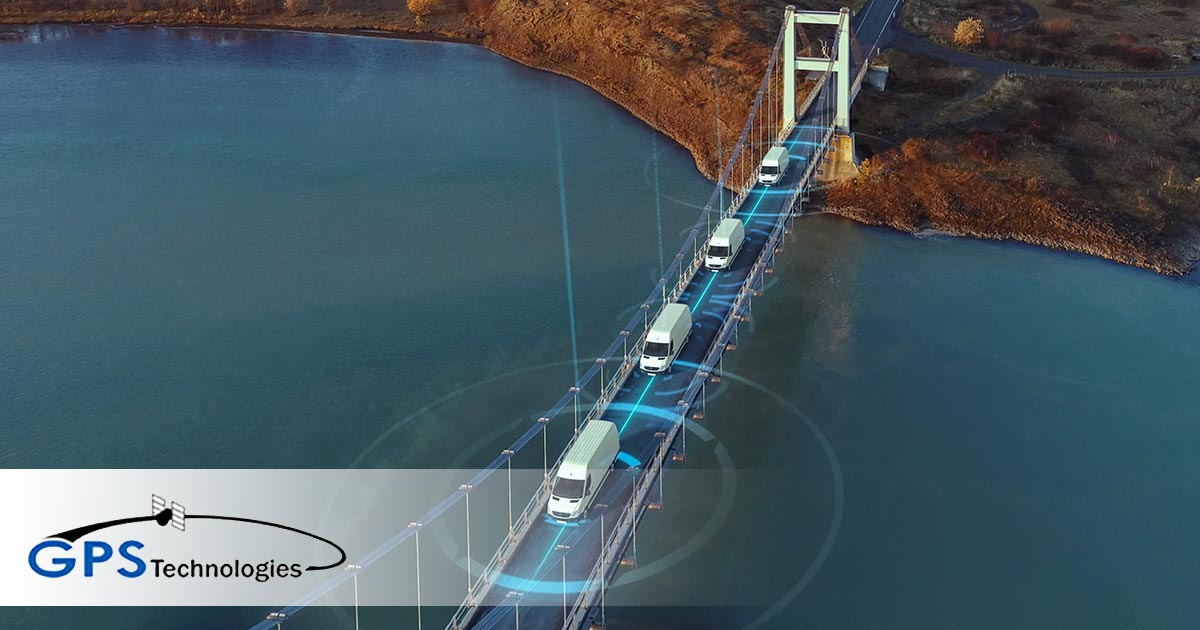
Web-based vehicle tracking systems allow businesses to monitor vehicles, drivers, and assets in real time using GPS technology and cloud-based software. These systems collect location and performance data from vehicles and transmit it to an online dashboard where fleet managers can view activity from any internet-connected device.
For companies that rely on transportation, web-based tracking systems provide valuable insights into vehicle location, driver behavior, fuel usage, and maintenance needs. This information helps improve operational efficiency, reduce costs, and enhance fleet safety.
Key Takeaways
- Web-based vehicle tracking systems use GPS technology and cloud software to monitor vehicles in real time.
- Tracking devices installed in vehicles collect data such as location, speed, and vehicle performance.
- Data is transmitted to servers and displayed through an online dashboard.
- Fleet managers can monitor vehicles remotely using computers, tablets, or smartphones.
- These systems help improve safety, route planning, and fleet efficiency.
How Web-Based Vehicle Tracking Systems Work
Most web-based tracking systems rely on the Global Positioning System (GPS), a satellite network operated by the United States government. GPS satellites broadcast signals that allow tracking devices to calculate precise geographic locations.
Some tracking systems also use other satellite networks such as the Global Navigation Satellite System (GNSS) or Russia’s GLONASS system to improve positioning accuracy.
A typical web-based vehicle tracking system includes three primary components:
- The tracking device installed in the vehicle
- A monitoring server that processes incoming data
- A web-based dashboard or user interface
The tracking device collects GPS coordinates while the vehicle moves. This information is transmitted through cellular networks or satellite communication to a centralized server.
From there, the data is processed and displayed through an online interface that managers can access through a browser.
The result is real-time monitoring that allows fleet managers to see where vehicles are located at any moment.
What Data Can Web-Based Tracking Systems Provide?
Modern tracking systems collect far more than simple location data. Many systems also provide operational insights that help companies manage their fleets more effectively.
Common data collected includes:
- Vehicle location and route history
- Vehicle speed
- Fuel consumption
- Idle time
- Maintenance alerts
- Driver behavior
Many platforms update vehicle data frequently, sometimes every few minutes, allowing managers to track vehicles almost in real time.
These systems also offer strong coverage areas because multiple satellites are typically visible from most locations on Earth.
Other Types of Tracking Systems
While GPS-based tracking is the most widely used technology for vehicle monitoring, several other tracking methods exist.
Radio Frequency Identification (RFID)
RFID tracking systems use small tags that contain microchips and antennas. These tags respond when they receive signals from nearby RFID readers.
RFID technology is commonly used in retail environments for inventory tracking and theft prevention.
However, RFID systems typically operate over short distances and are not designed for real-time vehicle tracking across large areas.
Personal GPS Trackers
Personal GPS trackers are used to monitor individuals or pets. These devices are often worn as bracelets or collars.
For example, pet owners sometimes use GPS-enabled collars to locate animals if they wander away from home.
Mobile App Tracking
Some companies monitor drivers using mobile applications installed on smartphones. These apps use the phone’s GPS capabilities to transmit location data.
Mobile tracking can be useful for contractors using personal vehicles, but it typically provides fewer capabilities than dedicated tracking devices installed in company vehicles.
How Much Does a GPS Tracking System Cost?
There are several cost factors involved when implementing a web-based vehicle tracking system.
Costs may include:
- Hardware purchase or rental
- Software subscription fees
- Installation costs
- Data service fees
Some companies choose to rent tracking devices to reduce upfront costs. Others prefer to purchase devices outright for long-term ownership.
The cost of a tracking system may also depend on the type of data collected. Systems that monitor only vehicle location are typically less expensive than platforms that provide advanced features such as maintenance alerts and driver behavior monitoring.
Installation requirements can also influence pricing. Some systems require professional installation, while others can be installed by the user.
Benefits of Web-Based Fleet Tracking
Improved Safety
Tracking systems help identify risky driving behaviors such as speeding or excessive driving hours. Managers can use this information to address safety concerns and reduce accident risks.
Better Route Planning
Real-time location monitoring allows fleet managers to identify efficient routes and avoid unnecessary detours.
This improves delivery schedules and reduces fuel consumption.
Reduced Fuel Costs
Fuel expenses represent a major operational cost for fleets. Tracking systems help reduce fuel usage by identifying excessive idling or inefficient driving patterns.
Maintenance Monitoring
Many systems provide alerts when vehicles require routine maintenance. Addressing maintenance needs early can help prevent expensive repairs and reduce vehicle downtime.
Driver Performance Insights
Fleet managers can analyze driver performance data to identify top-performing drivers and reward safe driving habits.
These insights help improve overall fleet productivity.
FAQ
What is a web-based vehicle tracking system?
A web-based vehicle tracking system uses GPS technology and cloud-based software to monitor vehicle locations and operational data through an online dashboard.
How often do tracking systems update vehicle location?
Many systems update vehicle data every two to five minutes, although update frequency may vary depending on system configuration.
Can vehicle tracking systems improve driver safety?
Yes. Tracking systems help identify unsafe driving behaviors and allow managers to intervene before accidents occur.
Do tracking systems require professional installation?
Some tracking devices require professional installation, while others can be installed easily using plug-and-play hardware.
Are GPS tracking systems expensive?
The cost varies depending on the hardware, software features, and installation requirements. Many businesses find that the operational savings outweigh the initial investment.
Bottom Line
Web-based vehicle tracking systems provide businesses with real-time visibility into fleet operations. By combining GPS technology with cloud-based software, these systems help companies monitor vehicles, improve safety, and reduce operational costs.
For organizations that rely on transportation, implementing a web-based tracking system can significantly improve fleet efficiency and operational control.
Categorised in: Asset Tracking
This post was written by GPS Technologies Team
Comments are closed here.